
What Is Graphic Designing ?
The art of graphic design is the planning and production of visual content to communicate concepts and messages. In the digital age, graphic design is present almost everywhere, on everything from cereal boxes to billboards to mobile apps. By utilising different aspects and concepts, these designs have the ability to influence our perception and emotions.
Graphic designers, often known as communication designers or graphic designers, are essentially visual communicators. Through the most popular graphic design software, they bring visual concepts to life and use text, graphics, and images to engage or inform consumers.It is possible to use design to market and sell goods, spread a message, or create a distinctive brand identity. Graphic designers combine art and business, so the creative process is influenced by business objectives even though some graphic design has a commercial purpose.
Images and Illustrations
Graphic designers incorporate images, illustrations, photographs, or icons into their designs to support and enhance the message. They may also create custom illustrations or artwork when needed.

Branding and Identity
Graphic designers often play a key role in creating and maintaining a consistent visual identity for businesses and organizations. This includes designing logos, business cards, letterheads, and other materials that represent a brand.
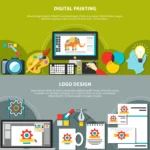
Print and Digital Media
Graphic design can encompass a wide range of media, including print materials (such as brochures, posters, and magazines) and digital media (such as websites, social media graphics, and mobile apps).

User Experience (UX) Design
In digital design, UX design is a critical aspect. Graphic designers working on digital interfaces focus on creating user-friendly and visually appealing experiences.
- Visual Communication: Graphic designers use visual elements such as colors, shapes, images, and text to convey ideas, messages, or information. They aim to communicate a specific message or evoke a particular response from the audience.
- Typography: Typography refers to the art and technique of arranging typefaces (fonts) in a visually pleasing and legible manner. Graphic designers select appropriate fonts and arrange text to enhance the overall design and readability of a piece.
- Layout and Composition: Designers work on the arrangement of visual elements within a design, considering factors like balance, alignment, hierarchy, and the overall flow of information. Good composition helps guide the viewer’s eye and makes the design more effective.
- Color Theory: Understanding color psychology and how different colors evoke emotions and convey meaning is crucial in graphic design. Designers choose color palettes that align with the message and purpose of the design.